Leadership Offsites & Retreats.
A leadership offsite is a facilitated day away from the desk where a team makes the decisions it has been deferring. Future.Pro designs and runs them end to end in Singapore and across Asia — discovery beforehand, facilitation on the day, and a review built in afterwards — for teams of five to 150 in formats from ninety minutes to a multi-day retreat. The work is structured around the four identities a modern team needs, and the day is built backwards from the decision you need the group to reach rather than forwards from a standard agenda.
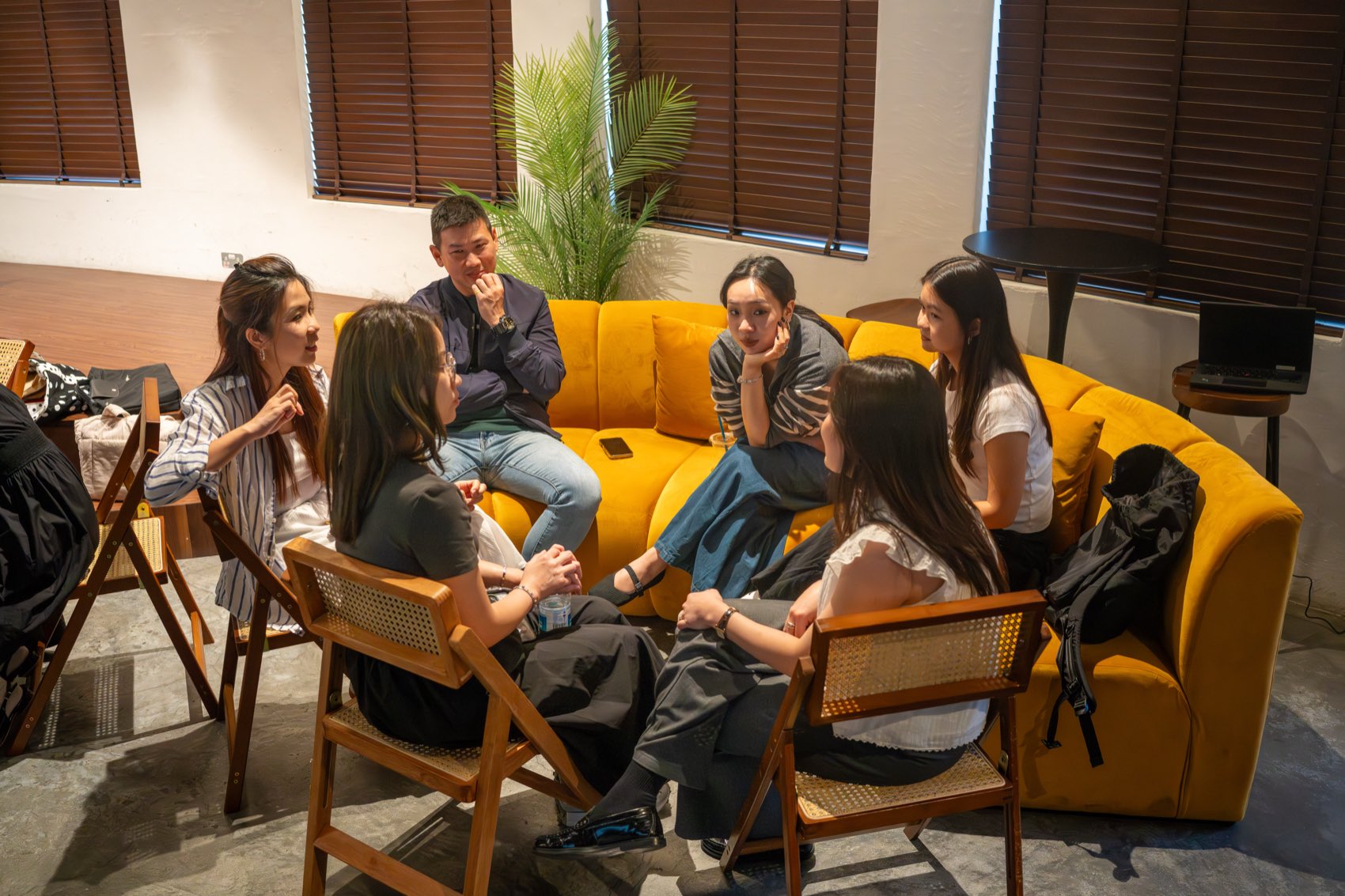
01 Who it is for
- Teams with a decision that has been deferred through three meetings and needs a day away from the desk to be made.
- Divisions and departments at the start of a planning cycle, where the year ahead has to be agreed rather than announced.
- Groups going into a restructure, a merger or a strategy change, who need the difficult conversation held somewhere neutral.
- Organisations that want the day designed and facilitated end to end, rather than a speaker slot inside an agenda they wrote themselves.
02 What happens in the room
- Formats
- 90 minutes · half day · full day · multi-day retreat
- Group size
- 5 to 150
- Investment
- From SGD 8,000
- Approach
- Discover · Design · Deliver · Evolve
- Delivered by
- The co-founders
-
Nothing is designed before the discovery conversation. We want to know what decision the group has been circling, who in the room disagrees about it, and what happened the last time they tried. The agenda is built from that, which is why two offsites for two clients rarely look alike.
-
On the day, the work runs through the identities a leadership team needs and the honest data about why teams stall. More than three hours a week are lost to poor collaboration, and 61 per cent of employees say they would leave a job over it — so a good part of the day goes on the Collaborator identity: influencing without authority, creating urgency in people who do not report to you, and giving feedback that actually moves something.
-
A recurring exercise separates real limits from assumed ones. Groups sort statements like "this needs to come from management" and "we tried this before and it did not work" into constraints that are written down — law, policy, guidelines — and constraints that only feel fixed because everyone believes them. Most lists come back with one genuine limit and five assumptions, which changes the conversation for the rest of the day.
-
Every session ends with each person completing the same sentence out loud, naming one thing they will do differently. What compounds the investment is what happens after the room empties, so a review is scheduled before anyone leaves.
03 What changes afterwards
The measure of an offsite is not the energy in the room, which is always high, but whether a decision that was stuck is now moving thirty days later. An offsite with no scheduled review behaves like an event rather than a decision, which is why one is built into every format.
Teams describe the change as fewer escalations, shorter arguments about whose remit something is, and a shared language for how each person thinks — which makes the difference between a disagreement about the work and a disagreement about each other.
04 Proof
"Extremely insightful and also deeply reflective for the team. Gerald is such an experienced, fun facilitator, and has such a special skill to connect people, listen and help us to explore deeper."
05 Questions
Do you facilitate the offsite, or just present at it?
Facilitate, end to end. Team offsite facilitation here means a discovery conversation before the day, an agenda designed for your decision rather than lifted from a template, both co-founders in the room running it, and a scheduled review afterwards. We are not a speaker slot inside somebody else’s agenda, and the day does not work that way. An offsite facilitator who has not spoken to you beforehand is presenting, not facilitating.
Can you run an offsite for a team that is not getting on?
Yes, and it is a common reason to call us. Conflict inside a leadership team is usually a working-style problem rather than a character one: people who process differently reading each other as difficult. Giving the group one shared language for how each person thinks tends to defuse more than a direct conversation about behaviour would. We will tell you honestly if we think the issue needs something other than an offsite.
Where do you run leadership offsites?
Singapore and across Asia, at your venue or one you choose — we do not sell accommodation or venue packages. Sessions have run in corporate offices, hotel function rooms and divisional retreats. The room matters less than whether the right people are in it and their calendars are genuinely clear for the day.
Is this the same as leadership team development?
No, though they often run together. An offsite is a day built around a decision your team needs to reach. Leadership team development is work on the team itself — how it decides, how its members influence each other — usually across more than one session. Many clients start with an offsite and continue into that, and sales leadership coaching sits there rather than here.
What do you need from us before the day?
A conversation with whoever owns the outcome, thirty to sixty minutes, plus any context you are willing to share — engagement survey results, the decision that keeps being deferred, what the team is worried about. The more candid that is, the less of the day gets spent discovering things in the room that could have been known beforehand.
Ready
to begin?
Every engagement starts with a conversation. No pitches. No proposals. Just a direct dialogue about what you want to design.